The Empire of Silence Before the Break

The Empire of Silence Before the Break

By Calvin P. Tran

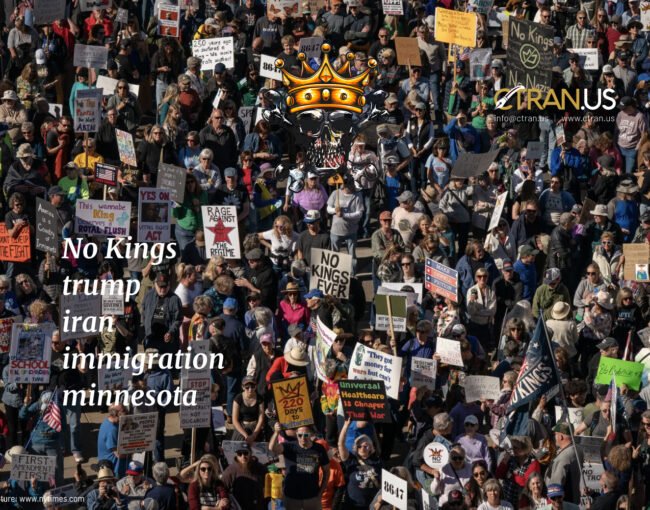
This past Saturday, March 28, millions gathered across the United States in “No Kings” demonstrations—part of a decentralized wave spanning thousands of events in cities large and small.

Yet America is still running.
Lights on.
Streets full.
Markets open.

Only one thing dims:
trust.

Trump did not summon the storm.
He stepped into it—
or perhaps,
refused to step away.

“No Kings.”
Not just a slogan.
A reaction.
A signal
that something feels too concentrated,
too distant
to touch.

In New York City, people move quickly,
eyes forward, conversations unfinished.
In Chicago, chants rise, then thin into scattered voices.
In San Francisco, lines form—orderly, patient, uncertain.
In Washington, D.C., words are measured,
as if volume itself carries risk.

Power rarely welcomes resistance.
Trump signs.
He does not hesitate.
He does not need to.
The system around him
has learned the rhythm.

“Power isn’t blind.
It chooses what not to see.”
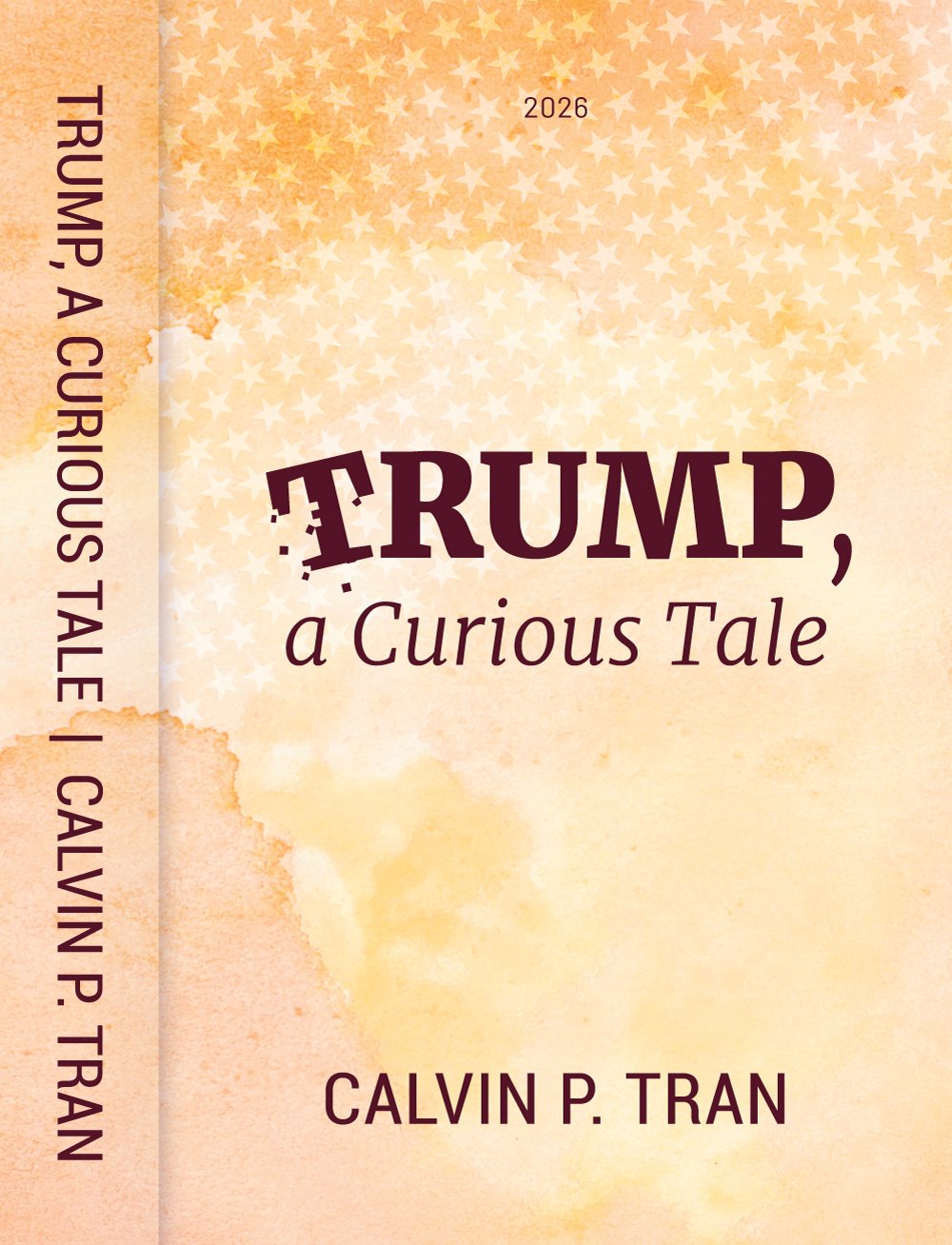
— Trump, a Curious Tale

The crowd is not uniform.
But it moves—
sometimes together,
sometimes apart.

What makes it difficult to read
is not its size,
but its lack of a single voice.

A man holds a sign:
“No Kings except Elvis.”
Half humor.
Half deflection.
But also a way
to shrink power
into something laughable.

Trump speaks as if the system still holds.
Many in the crowd act as if it no longer does.
That distance
is where tension forms.

“No Kings” is not only about one man.
It reflects a broader unease:
that decisions are made
in places people cannot see
or reach.

“People don’t revolt because they’re poor.
They move when they feel they no longer matter.”
— Trump, a Curious Tale

Numbers don’t settle this.
Millions, perhaps.
Thousands of protests—
from New York City
to towns rarely named.

Scale is visible.
Sentiment is not.

Scale is surface.
What matters is its nature.

It spreads—
like a thought,
like a doubt,
like something people feel
before they can explain it.

Trump does not need to control everything.
Only to maintain enough continuity
for the system to keep functioning—
even as something within it shifts.

That is often how strain builds—
not through collapse,
but through endurance.

Somewhere,
someone marches for the first time.
Somewhere else,
someone quietly disengages.

They are not coordinated.
History connects them anyway.

“An empire rarely fears its enemies.
It watches its own confidence more closely.”
— Trump, a Curious Tale

Trump still speaks of order.
But order itself is being redefined.
Less about stability,
more about control.

And once control becomes visible,
it invites scrutiny.

The cities are not burning.
There is no spectacle of collapse.

Only pressure—
gradual,
unresolved.

Pressure rarely announces itself.
It appears in small sentences:
“Something isn’t right.”

Trump continues.
The system continues.
Everything continues.

But not in the same way.

“History doesn’t always turn at collapse.
Sometimes it shifts
while everything still appears intact.”
— Trump, a Curious Tale

“No Kings” is not a conclusion.
It is an indicator.

A sign that distance
between institutions
and public feeling
is widening.

And when that distance grows,
something subtle happens:
people stop interpreting reality
the same way.

Trump will keep speaking.
So will the crowd.

But increasingly,
they are speaking
past each other.
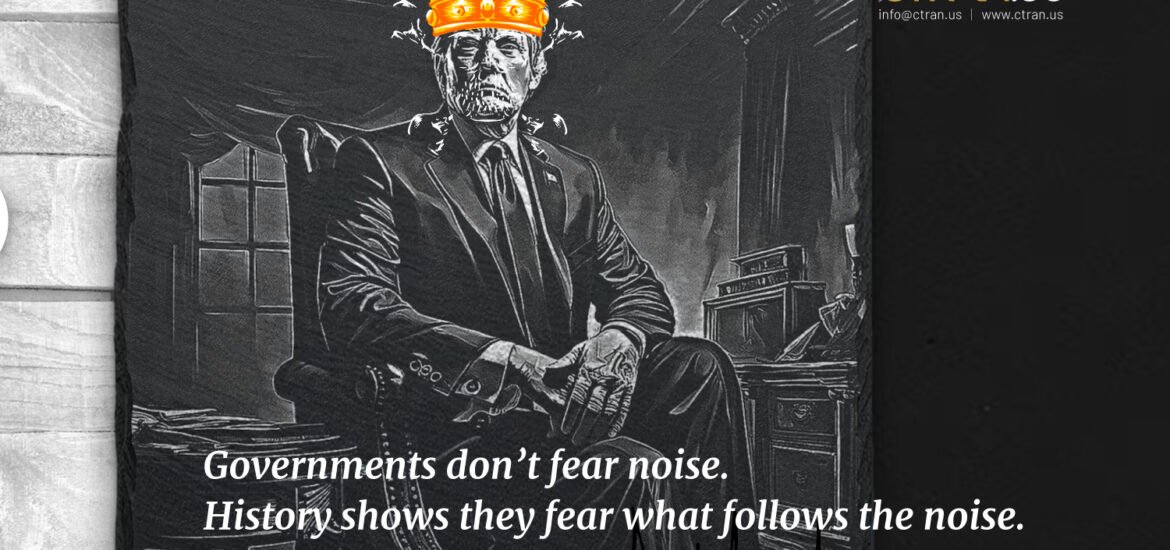
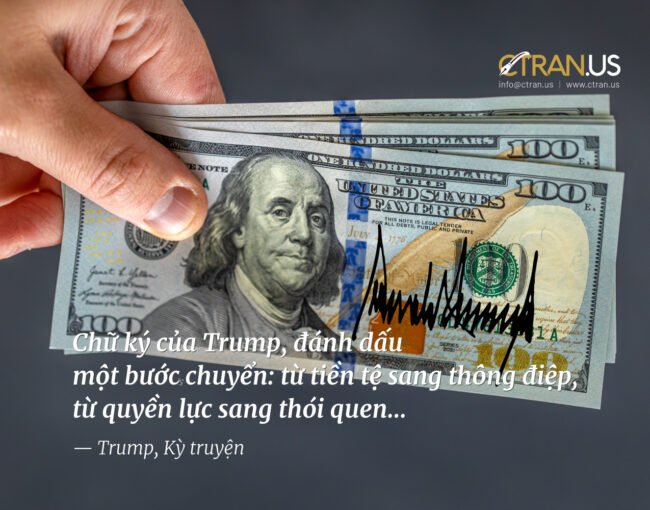
Trump, chữ ký trên US Đô-la

Chữ Ký trên Đồng Tiền Mỹ

— Calvin P. Tran

Người ta nói lịch sử không viết bằng mực.
Nó viết bằng quyền lực.
Và đôi khi—bằng chữ ký.

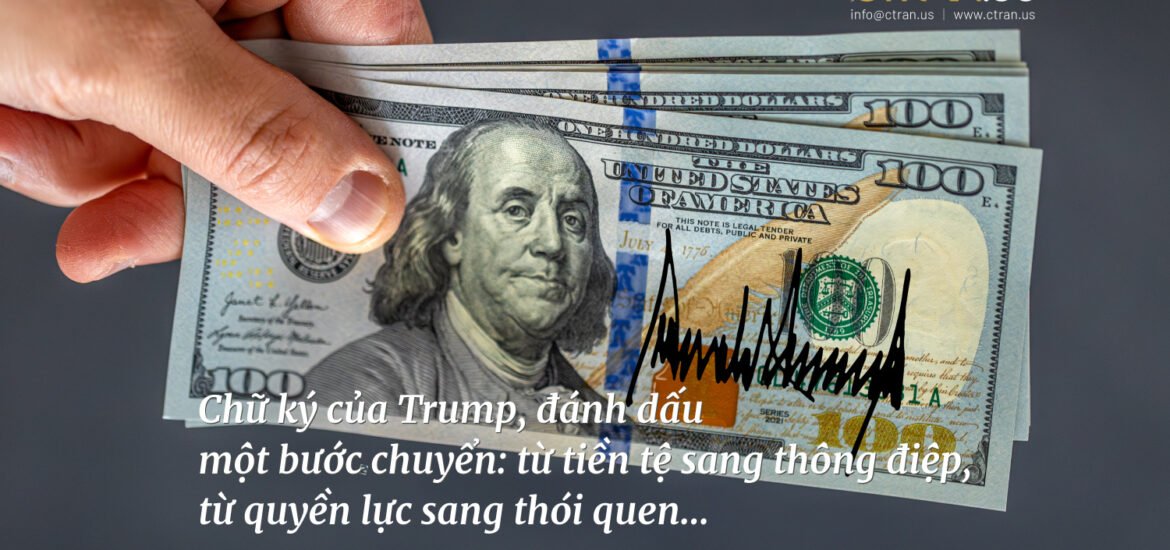
Mùa hè năm 2026, Trump tiên sinh quyết định ký tên lên tiền.
Không phải ký một đạo luật.
Không phải ký một hiệp ước.
Mà ký lên thứ mà mọi người đều chạm vào mỗi ngày—đồng tiền.
Trump tiên sinh không nói nhiều.
Tiên sinh chỉ đặt bút.
Nhưng cái bút ấy không viết.
Nó khắc.

Dù là thực tế hay chỉ là một hình ảnh biểu tượng,
câu chuyện này vẫn đáng để ghi lại.

Trong hơn một thế kỷ rưỡi (1776 – 2026), đồng đô la mang những chữ ký vô danh.
Những con người ít ai nhớ.
Họ làm việc, rồi rời đi.
Tiền vẫn lưu hành, không cần danh tính.
Lần này thì khác.
Tiền không còn chỉ là phương tiện.
Nó trở thành thông điệp.

Trump tiên sinh hiểu một điều rất đơn giản:
Nếu người dân không nhớ bài phát biểu của tiên sinh,
hãy để họ nhớ… tờ tiền.
Một trăm đô la—một cái nhìn.
Một giao dịch—một lần nhắc tên.
Không cần tranh cử.
Không cần vận động.
Chỉ cần lưu thông.

Người ta gọi đó là kỷ niệm 250 năm độc lập.
Một dịp trọng đại.
Một biểu tượng quốc gia.
Nhưng biểu tượng luôn có hai mặt.
Một mặt là quốc gia.
Mặt kia là người muốn đứng vào giữa quốc gia ấy.

Có người nói: điều này hợp lệ.
Có người nói: điều này khôn ngoan.
Có người thì im lặng.
Vì họ hiểu—
khi quyền lực đủ lớn,
ranh giới giữa “hợp lệ” và “hợp lý” trở nên mỏng như giấy.
Mà giấy, thì có thể in.

Trump tiên sinh không phải người đầu tiên muốn để lại dấu ấn.
Nhưng có lẽ là người đầu tiên hiểu rằng:
dấu ấn mạnh nhất… không nằm trên tượng đài.
Nó nằm trong túi áo.

Trong khi đó, thế giới bên ngoài không đứng yên.
Thị trường rung lắc.
An ninh chao đảo.
Những đường biên không còn chắc chắn như trước.
Nhưng bên trong nước Mỹ, một chữ ký vẫn được in.
Đều đặn.
Chính xác.
Không sai một nét.
Một sự ổn định… rất riêng.

Người ta tự hỏi:
đây là biểu tượng của niềm tin,
hay là biểu tượng của kiểm soát?
Có lẽ là cả hai.
Vì tiền tệ, từ lâu, chưa bao giờ chỉ là kinh tế.
Nó luôn là chính trị—được gấp lại cho vừa ví.

Trump tiên sinh không cần giải thích.
Tiên sinh để cho đồng tiền nói.
Và đồng tiền, vốn dĩ, nói rất nhiều.

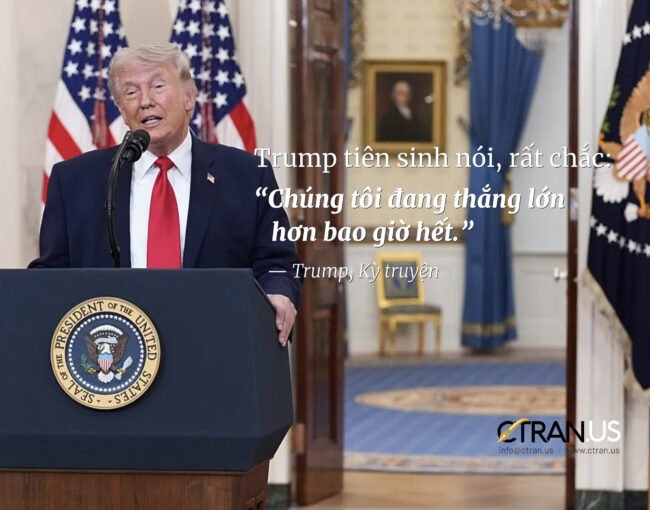
“Khi một cái tên xuất hiện trên thứ mọi người cần nhất, nó không còn là cái tên nữa—nó trở thành thói quen.”
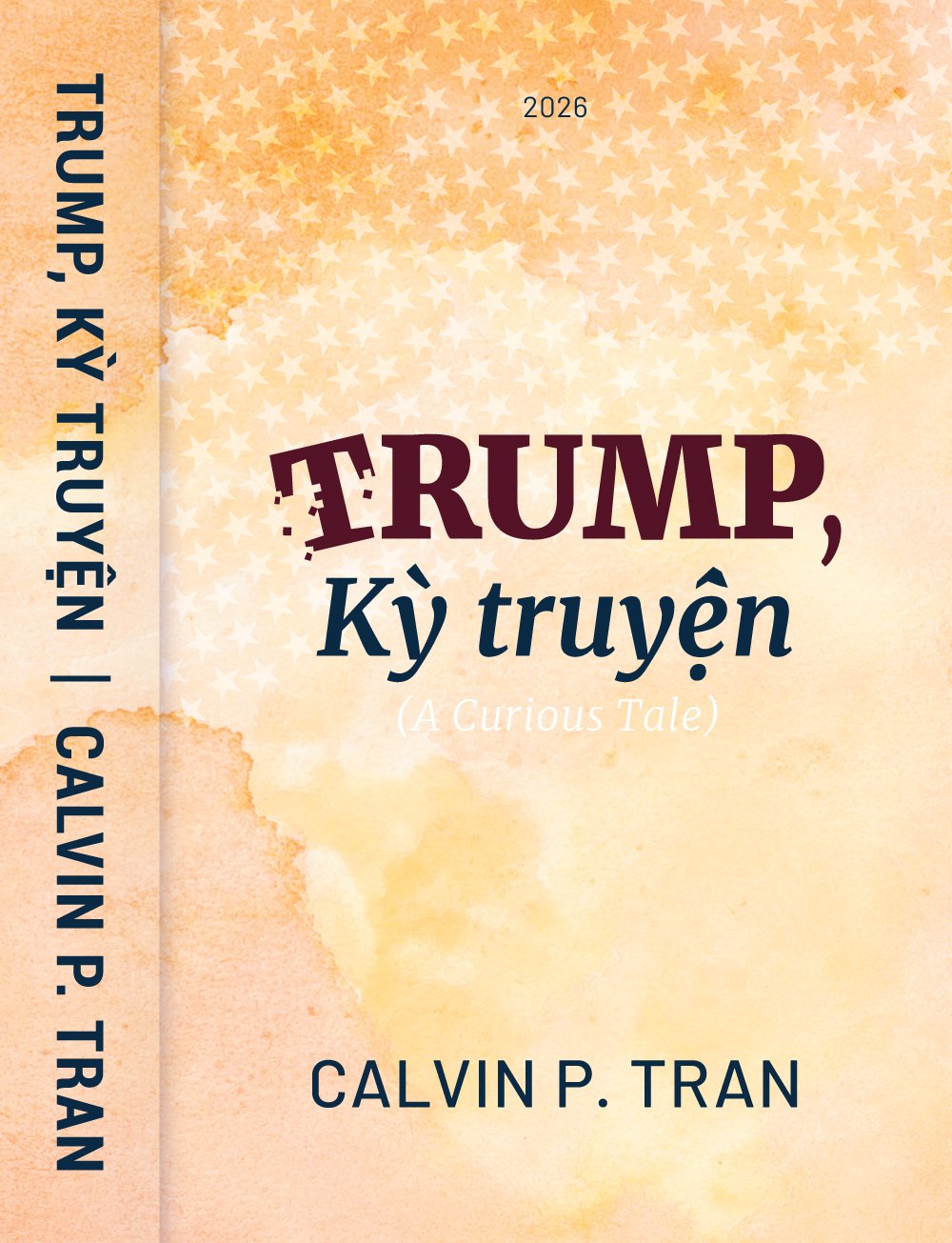
— Trump, Kỳ truyện

Cuối cùng, câu chuyện không nằm ở chữ ký.
Mà nằm ở câu hỏi:

Một quốc gia mạnh là quốc gia mà lãnh đạo in dấu lên lịch sử,
hay là quốc gia mà lịch sử không cần nhớ đến lãnh đạo?
Trump tiên sinh không trả lời.
Tiên sinh chỉ ký.

The Signature on the Dollar

The Signature on the Dollar

By Calvin P. Tran

History is not written in ink.
It is written in power.
And sometimes — in a signature.

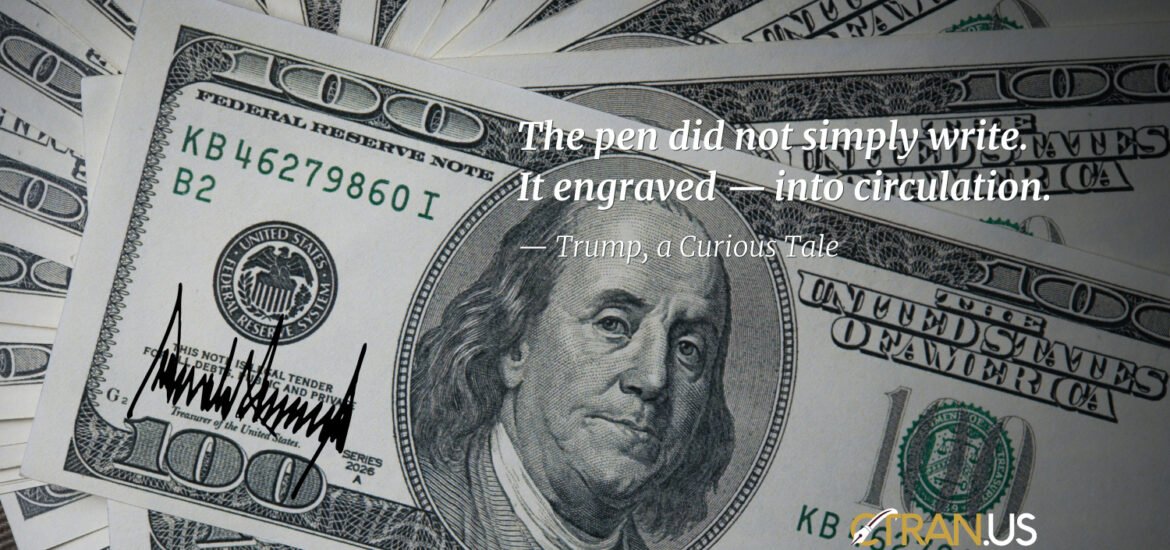
In the summer of 2026, Trump tiên sinh chooses to place his name on the dollar — literally or symbolically, it hardly matters.

Not a bill. Not a treaty.
But the thing people touch every day — money.

The pen does not simply write.
It engraves — into circulation.

For over a century and a half, the dollar has carried anonymous signatures.
Names few remember. They serve, then fade.

This time is different.

Money is no longer just a medium. It is now a message.
He does not see money as an economist would,
but as a measure of power.

He does not ask, “What is it worth?”
He asks, “Who forces the world to use it?”

A man stands at a gas station, filling his tank, watching the numbers climb.
He is not thinking about America.
Yet the price he pays is defined from there.

Another man receives his monthly salary.
A number appears in his account.
He sees stability.
But what he truly receives is trust in a system far larger than his employer.

A single tap completes an online payment.
Fast. Clean. Thoughtless.
Behind that tap lies an architecture of power.

“Power is not what is imposed. It is what becomes familiar.”
Trump, a Curious Tale

Trump understands this — or at least acts as if he does.

He speaks not of empires, but of transactions.
Not of wars, but of deficits.
Yet his money crosses every border.

Borders do not disappear.
They simply soften in the flow of money.

And there, a paradox emerges:
The world may be unstable,
but the currency must remain stable.

He did not create this paradox.
He exploits it — creating noise on the surface
to maintain control at depth.

People argue over words.
Markets read signals.
People watch the man.
Systems follow the money.

Not all power needs to be seen.
The most durable kind — is used.

In the end, the question is not who is right,
but who gets to price the world.

When a name appears on money,
it ceases to be a name — it becomes a habit.

Trump does not explain.
He lets the money speak.

And money does not speak.
It decides.

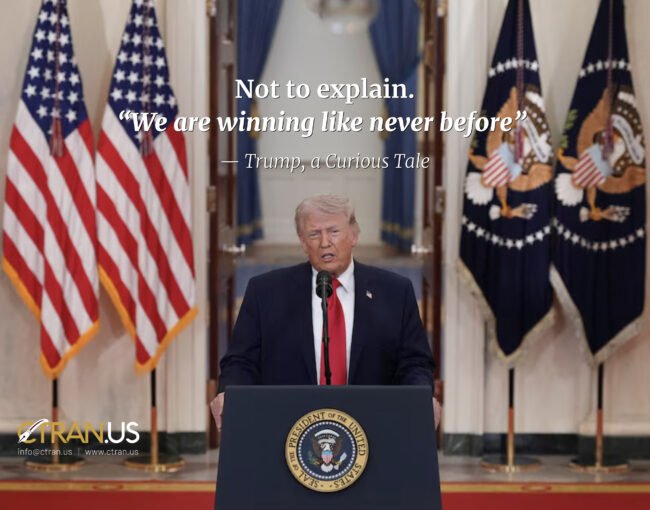
“A name on money doesn’t stay a name — it becomes a habit.”
Trump, a Curious Tale

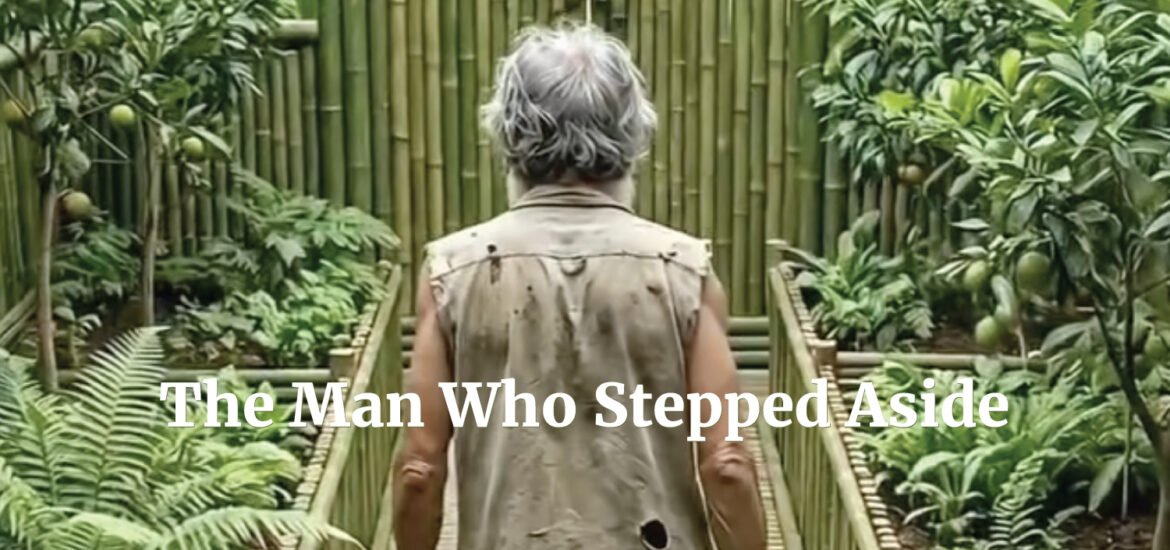
The Man Who Stepped Aside

Write the Truth. Leave a Record. Let time Decide.

He didn’t run away from the world.
He simply stopped chasing it.
In a place where nothing is urgent,
he built everything that matters.
Because peace is not found in silence—
it is found in knowing
what noise to leave behind.

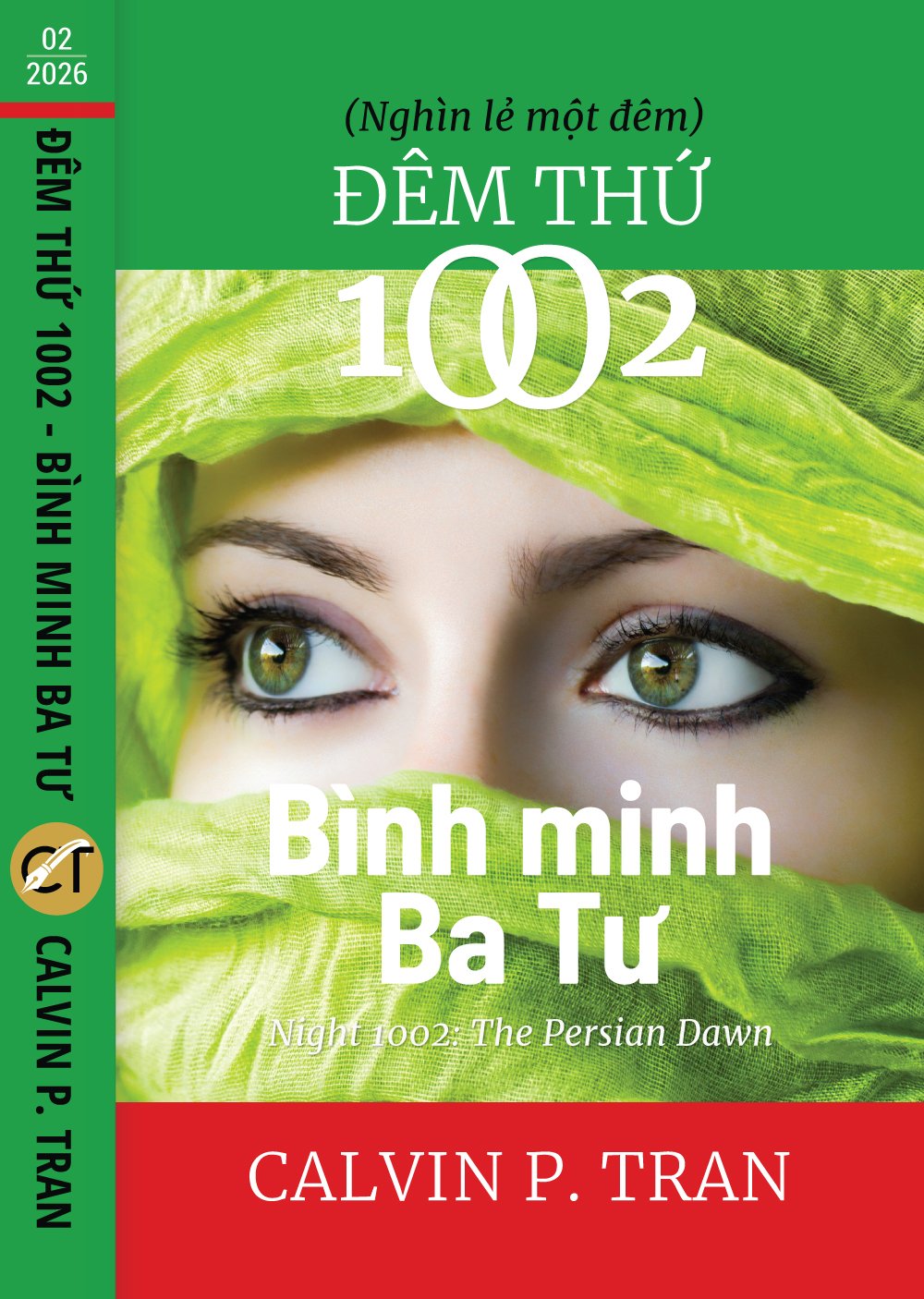
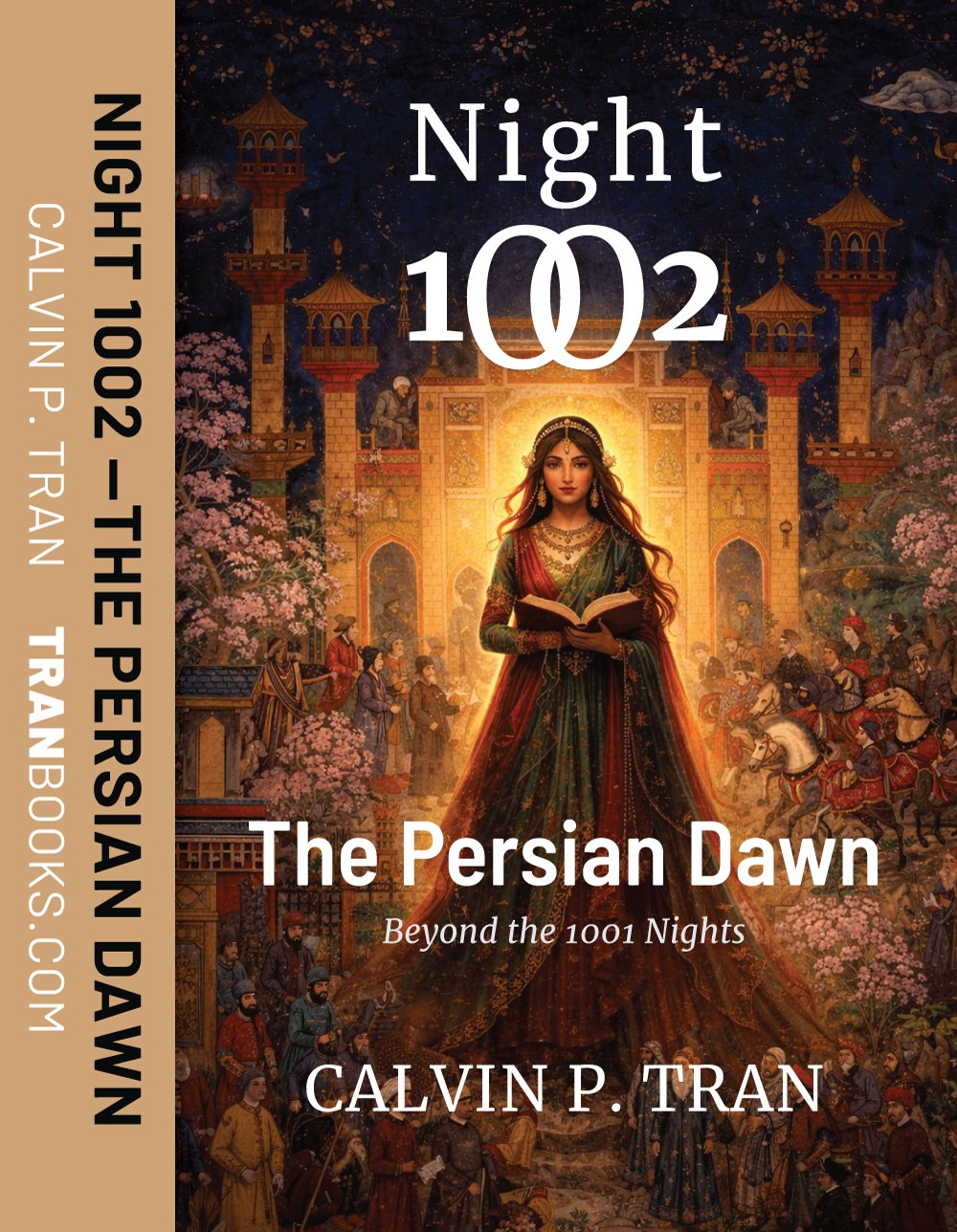
Đọc “Đêm Thứ 1002 — Bình minh Ba Tư”

Đêm Thứ 1002 — Bình minh Ba Tư

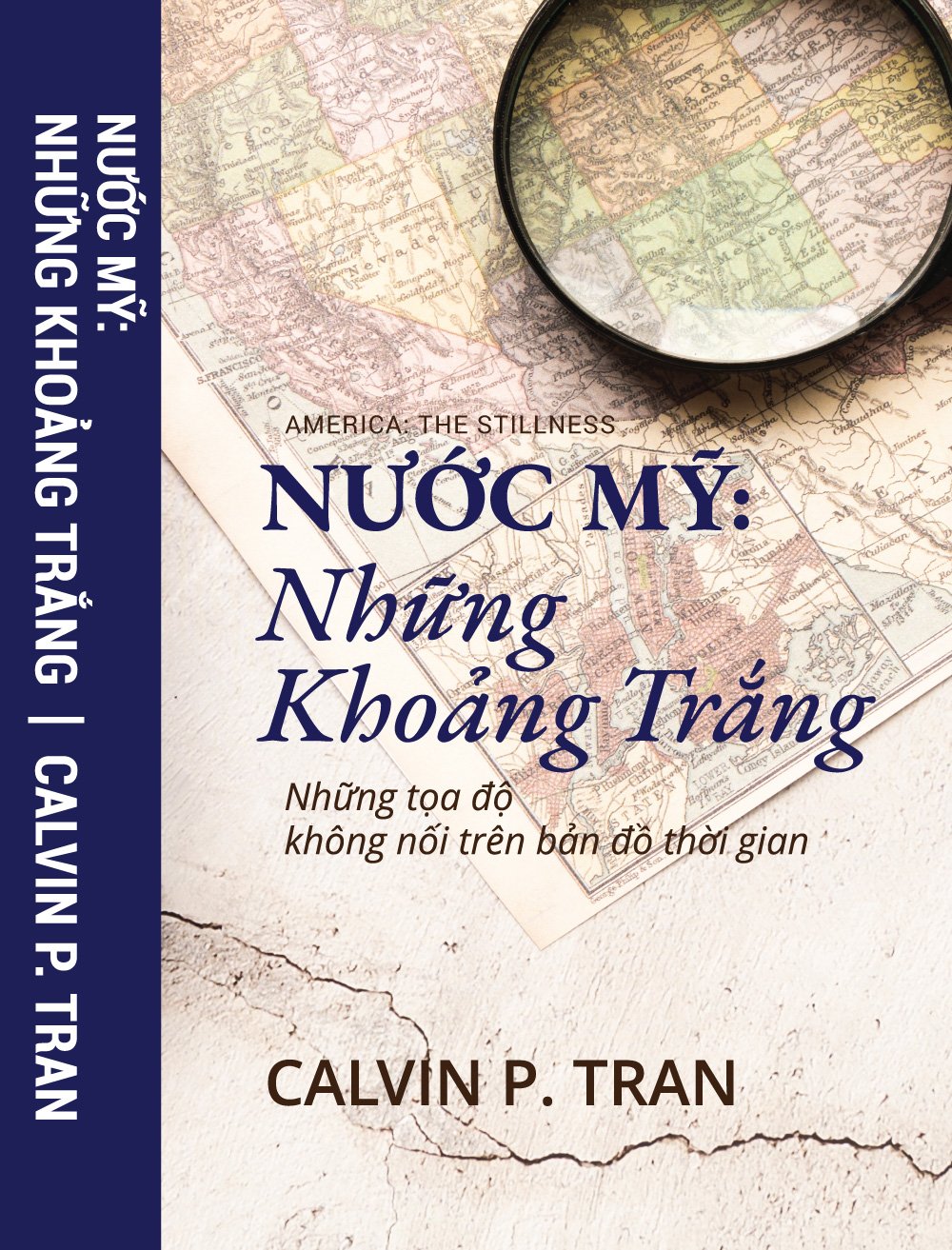
(Night 1002: The Persian Dawn) — Calvin P. Tran

Calvin P. Tran bước vào chữ nghĩa từ thập niên ’70, bằng thơ — bút danh Từ Yên — không ồn ào như thác; lặng lẽ như suối ngầm:

— khi chảy đến San Jose những năm 1980,
— khi ghé qua Palawan năm 1997,
— và có lúc lắng lại giữa Sài Gòn đầu thập niên 1990.

Trong cuốn sách này, ông lùi về phía sau, chọn cho mình một vai trò giản dị: Người Ghi Chép.

Như Shahrazad của nghìn lẻ một đêm, lời kể có thể giữ lại hơi thở.

Đêm thứ 1002 - Bình minh Ba Tư không khép lại câu chuyện—
không tranh thắng bại, cũng không phán quyết;

chỉ để những gì đã xảy ra không chìm trong bụi thời gian.

Ông đứng bên lề, lắng nghe lâu hơn, bước chậm hơn—
để lịch sử tự cất tiếng,
và ý nghĩa tự tìm đường trong tâm trí người đọc.

Check it out. Mời bạn Đọc thử
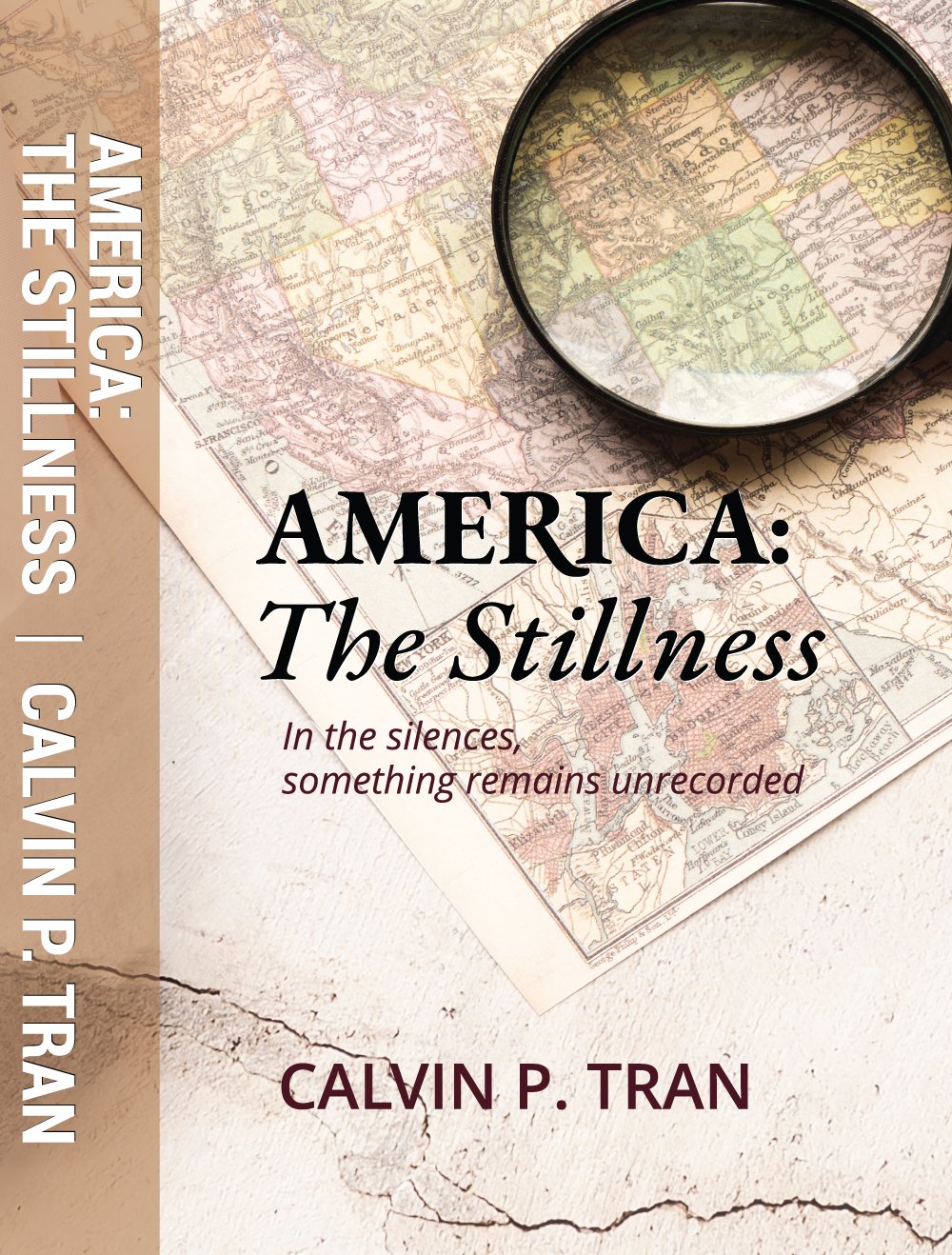
A journey through power, silence, and history — from Tehran’s dawn to Washington’s stillness.
Hành trình xuyên qua quyền lực, sự im lặng và lịch sử - từ buổi bình minh của Tehran đến sự tĩnh lặng của Washington.