

Category Archives: Political Satire

Read Trump, a Curious Tale

Trump, a Curious Tale

An Unusual Tale of Power — Calvin P. Tran
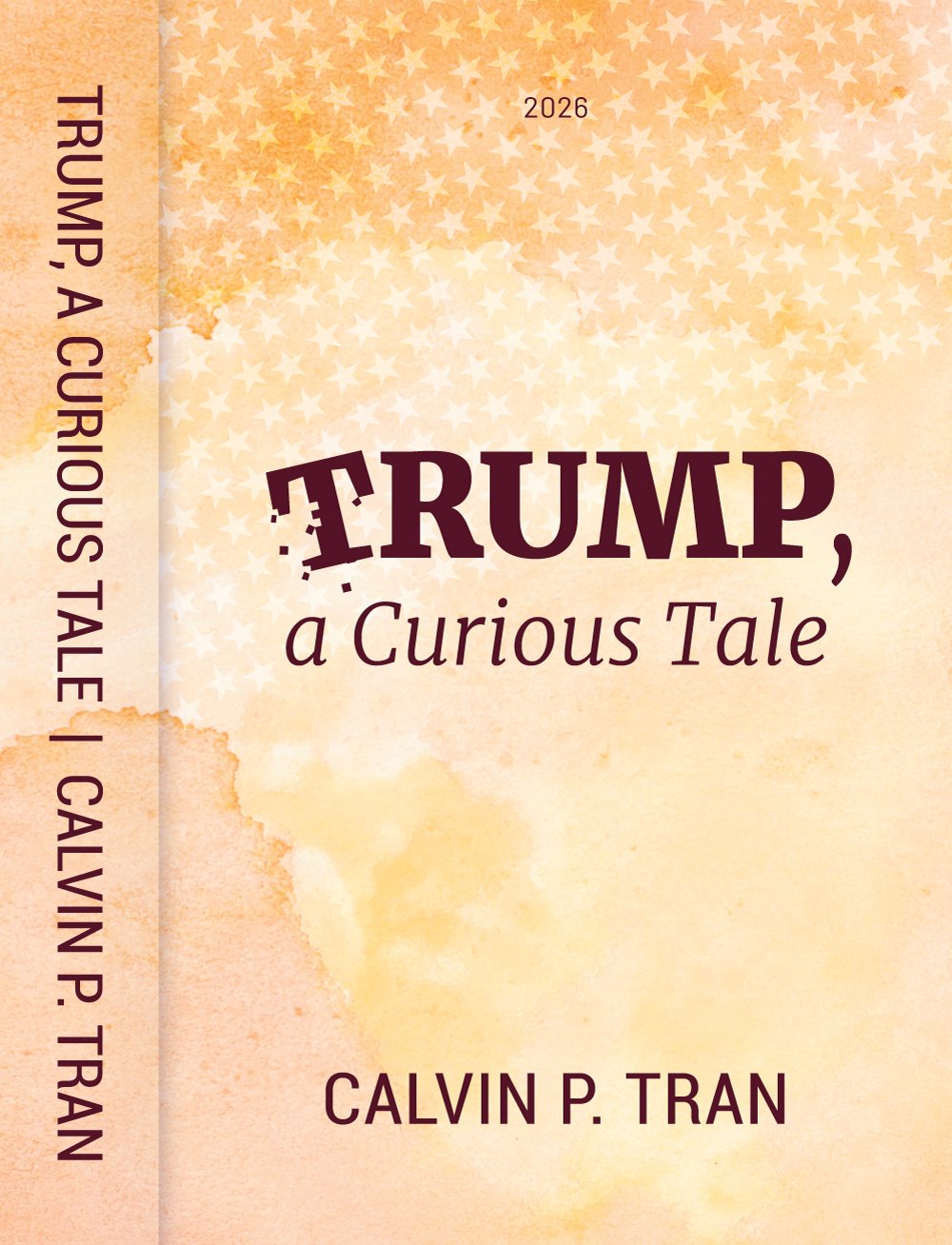
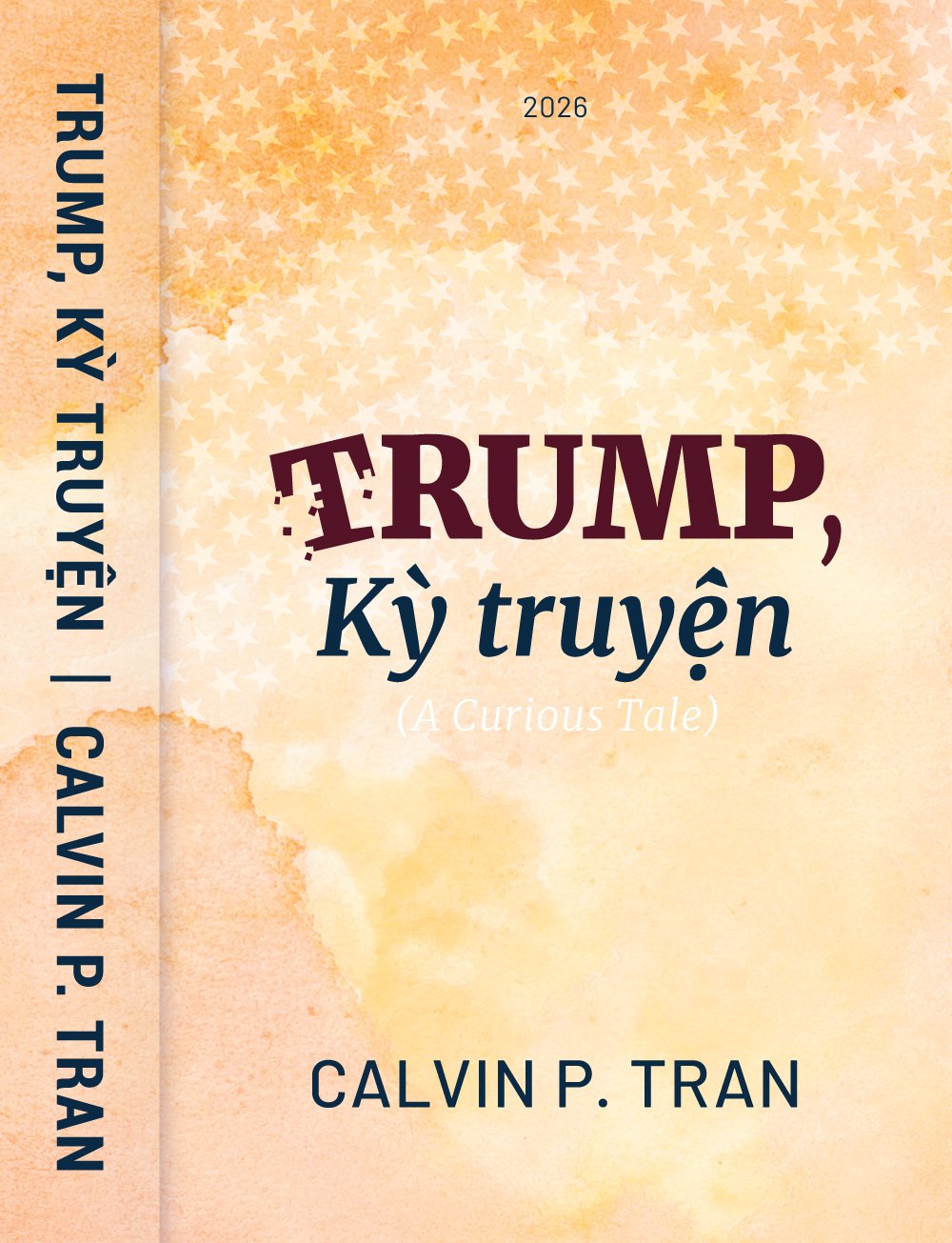
Book Cover Trump a Curious Tale

This book tells a curious tale — one that resists easy judgment.
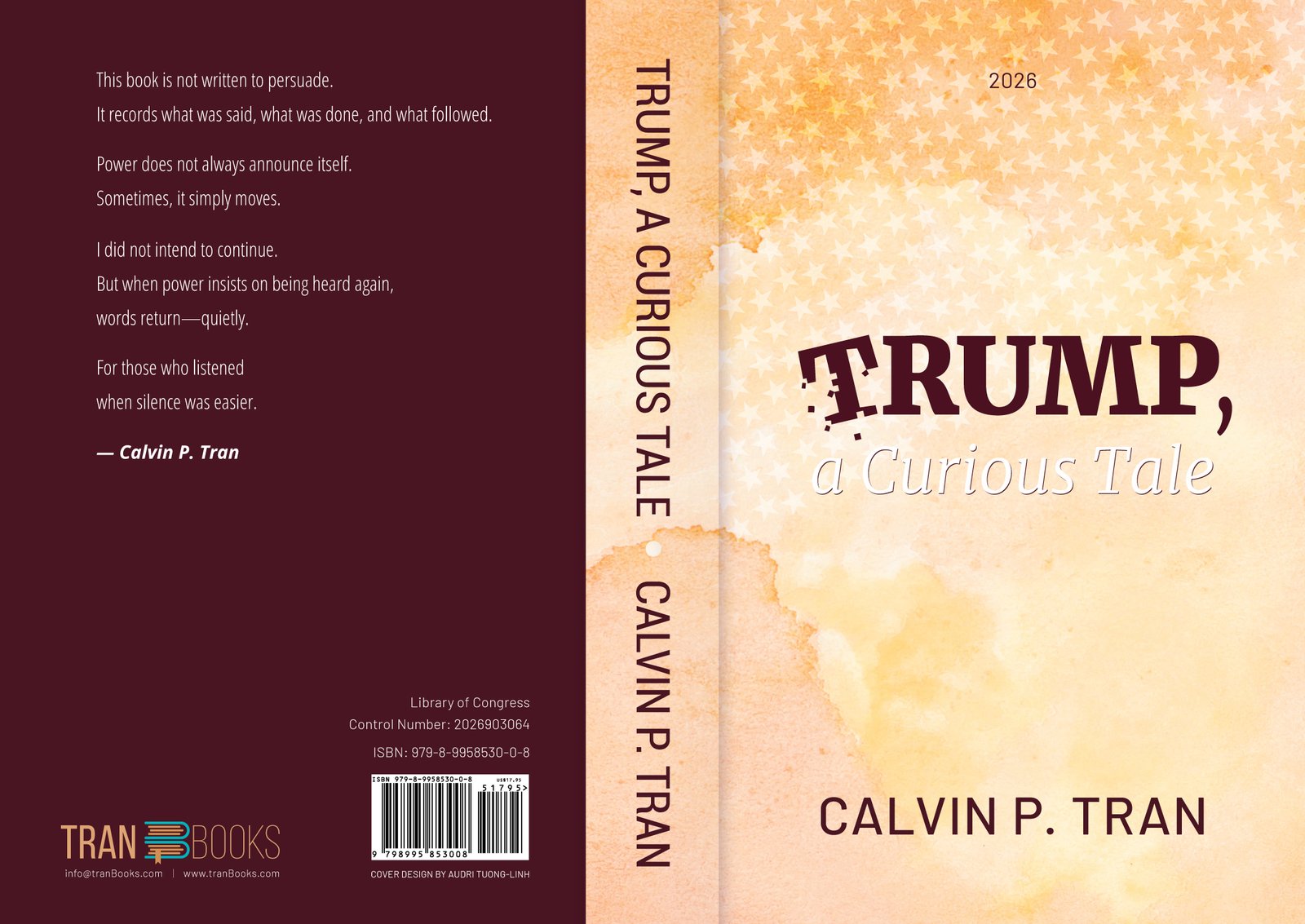
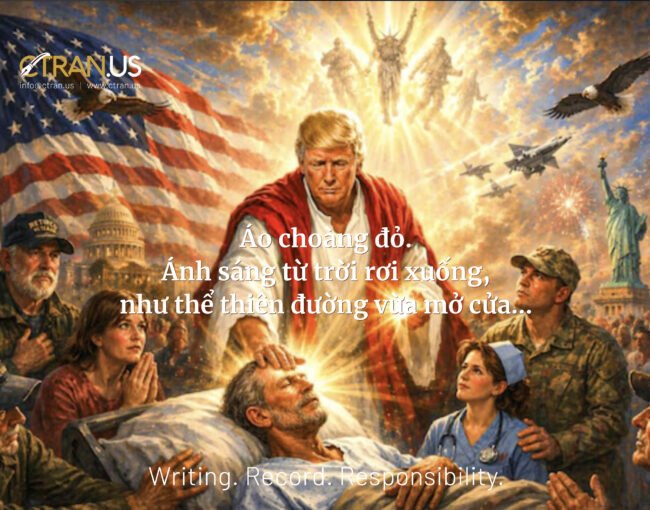
In Trump, a Curious Tale, Trump is not presented for reverence, but for observation. What emerges is less a figure of reverence than something far more peculiar: a moment when power steps forward without disguise and politics sheds much of its inherited solemnity.

Every era has its stories of power. Not every era allows power to speak so openly about itself.

The central figure here is not a symbol or a myth. He is a man entering politics with theatrical instinct, unwavering confidence, and a belief that rules exist to be tested.

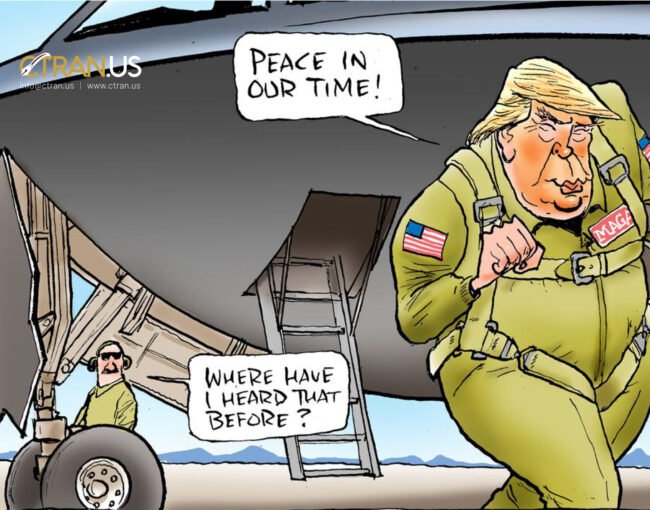
When President Donald J. Trump signed his first executive orders, the world did not collapse. No alarm sounded. History did not turn overnight. Yet within that calm, a different rhythm surfaced — one in which speed outweighed consensus, volume displaced precision, and institutions struggled to match acceleration.

This work does not argue morality. It examines how power is exercised, displayed, and legitimized through public emotion. Here, promises need not be fulfilled — only compelling enough to sustain belief. Truth need not be denied — only drowned in louder proclamations.

This tale moves through institutions attempting to hold their ground, allies adjusting, opponents waiting, and a public both skeptical and captivated.

Trump does not stand outside his era. He is both its product and its catalyst — revealing existing fractures with unusual clarity.

A reminder appears at the threshold:

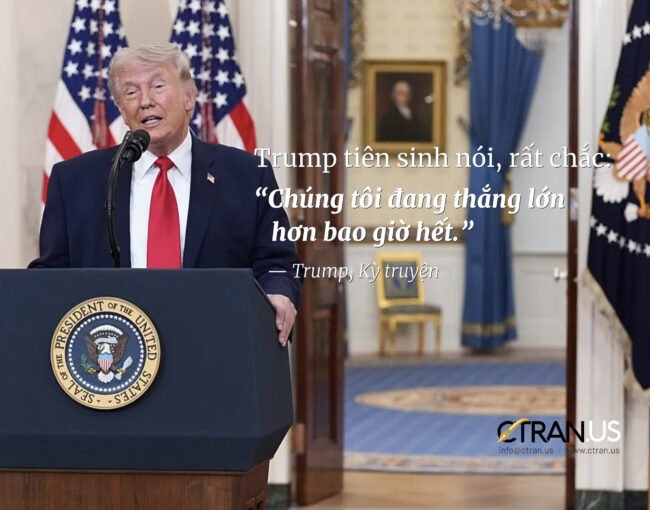
“Power rarely limits itself.
It stops only when people remain lucid enough to recognize what they are giving it.”

— Trump, a Curious Tale

The cost of that offering is borne not only by the present —
but by the memory of the future.
Đọc thử Miễn phí
Read a Free sample

Power Without Shame

When Power Loses the Capacity for Shame

By Calvin P. Tran

A president can make mistakes.
But there are moments that do not allow for error.
They are not political missteps.
They are moral choices.

The decision by Mr. Trump to post — or to allow the posting of — a video depicting Barack Obama, the 44th President of the United States and a two-term former president, together with his wife Michelle Obama, portrayed as apes, on the official Truth Social account of a sitting U.S. president, is not a “communications error.”

It is a moral threshold.

And it forces three unavoidable questions:
What does the family endure?
What does society absorb?
And how does the world now look at America?

I. Family Ethics: When Shame Enters the Home

Begin where ethics hurt the most: the family.

What does a wife feel
seeing such content distributed under her husband’s name —
a president’s name?

What do children learn
when their father is not simply wrong,
but shows no sense of shame?

This is not the embarrassment of losing power
or being criticized by opponents.
It is the humiliation of smallness —
of cruelty that serves no purpose
except release.

Within a family, law is unnecessary.
The eyes of one’s children are judgment enough.

How does a father speak of honor
when he evades responsibility?
How does a husband speak of values
while hiding behind familiar phrases:
“I didn’t know.”
“My staff posted it.”
“I didn’t watch it.”
At the family level,
this is not politics.
It is disgrace.

II. Social Ethics: When a Community Needs No Explanation

For Black Americans,
no explanation is required.

The comparison of Black people to apes
is not ambiguity.
It is history —
a long record of degradation,
violence,
and systematic dehumanization.

The wound is not only the image.
It is what followed.

No apology.
No acknowledgment.
Only deletion —
and blame displaced onto nameless aides.

In any society,
when power refuses accountability,
insult becomes precedent.
And precedent spreads.

III. Presidential Ethics: When the World Is Forced into Silence

Globally, an American president
is not read as an ordinary leader.
He is a signal.

Many world leaders found this act contemptible.
But they did not speak.

Not out of agreement —
but out of fear.

Fear of retaliation
against trade,
economies,
ordinary citizens.

This silence is not moral failure.
It is political restraint —
chosen to protect the vulnerable.

And that imbalance is precisely the point.

A president is not accountable only to voters,
but to the climate of fear
his conduct creates beyond borders.

Conclusion

A single post
will not collapse a nation.

But it can reveal something far more dangerous:

Power that has lost the capacity for shame
will soon lose the capacity to stop.
— Trump, a Curious Tale

Editorial Note

This text is presented as part of a public record.
It is not advocacy, nor accusation.
It is an ethical observation — preserved for those who cannot safely speak.