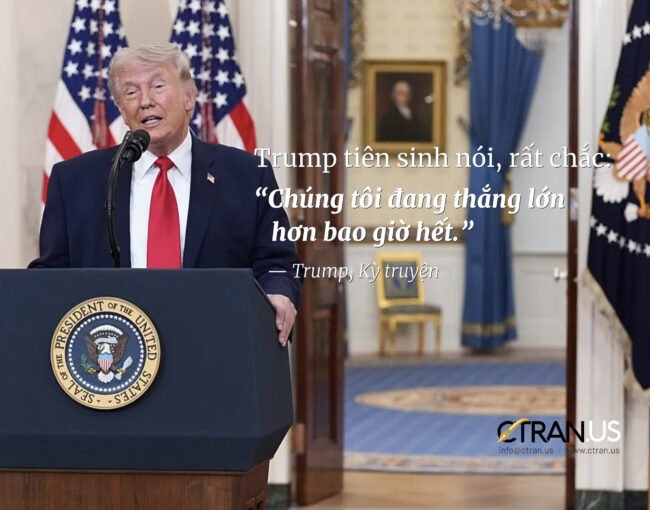
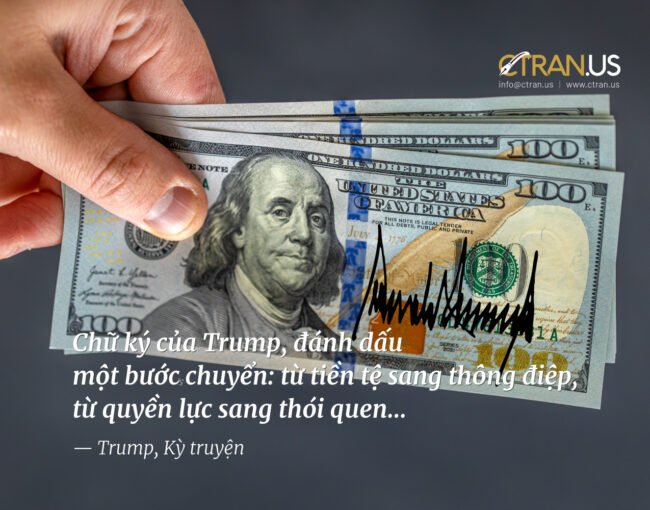
Đêm ấy, trong căn phòng sáng đèn của Nhà Trắng, người đứng đầu xứ sở bên kia đại dương – Donald Trump – đã nói không ngừng hơn một giờ đồng hồ.
Ông nói về chiến tranh. Rồi nói về những bức tường sẽ được sửa trong Trung tâm Kennedy. Ông nói về một phòng khiêu vũ chưa xây. Về bóng đá. Về một nghị sĩ đang đau yếu.
Ở Washington, có một chiếc ghế quyền lực mà tổng thống không thể ngồi lên.
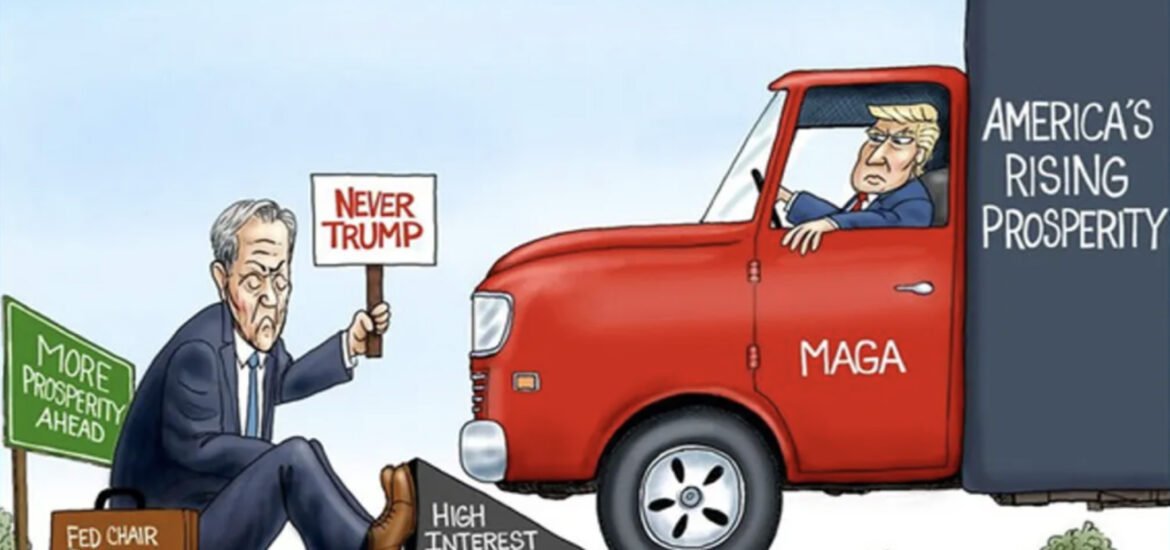
Đó là chiếc ghế của Chủ tịch Federal Reserve.
Trên chiếc ghế ấy hiện đang có một người tên là Jerome Powell. Người đàn ông này có một thói quen rất khó chịu: ông thích nghe các nhà kinh tế hơn là nghe chính trị gia.
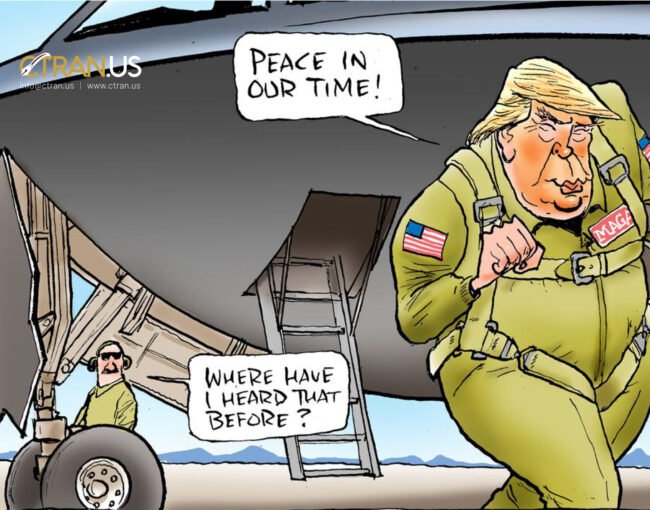
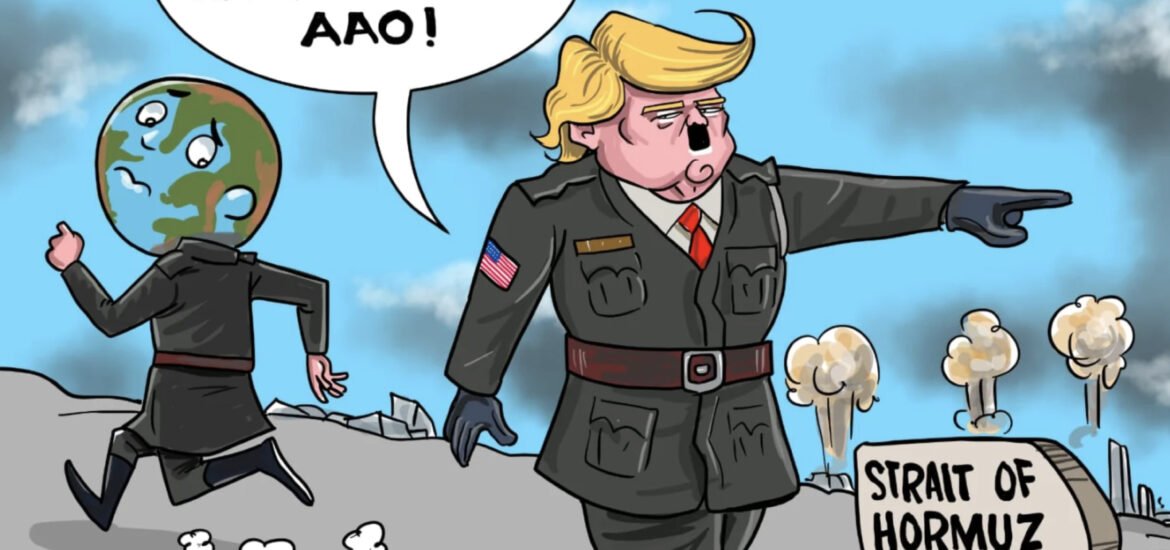
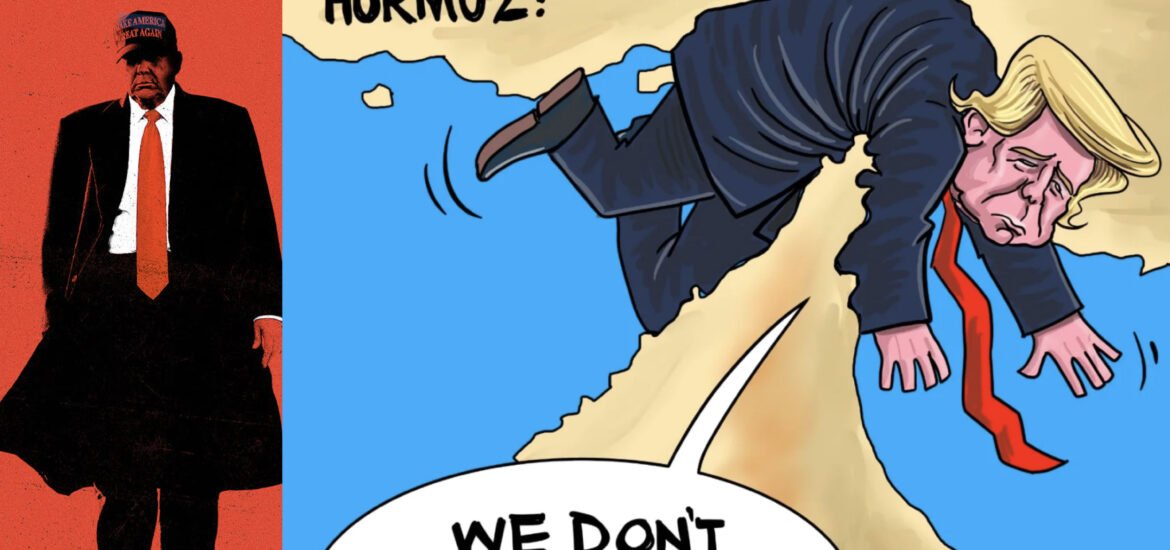
Ngày nọ, bên rìa sa mạc nơi gió mang mùi dầu và muối, có một cánh cổng hẹp mà cả thế gian phải đi qua. Người ta gọi nơi ấy là Eo biển Hormuz – một chiếc cổ chai, nơi mỗi con tàu đều chở theo không chỉ dầu mỏ, mà cả nỗi lo của những thành phố xa xôi.
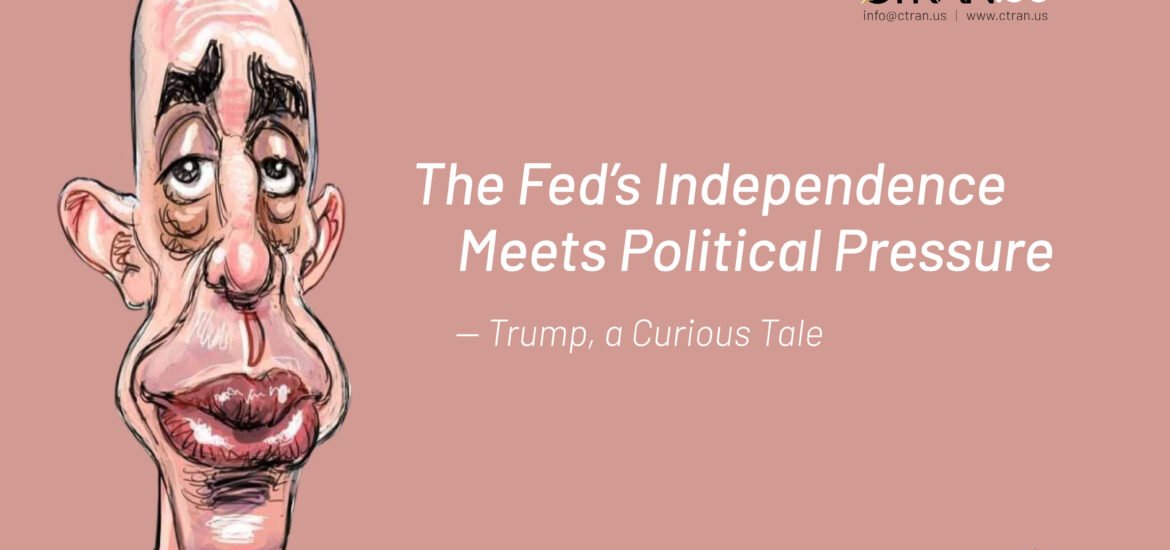
A federal judge blocks subpoenas targeting the Federal Reserve, raising deeper questions about political pressure on monetary policy.
For decades, the independence of the U.S. central bank rested less on court rulings than on an unwritten political norm: presidents do not pressure monetary policy.
This week, that tradition had to be defended in a courtroom.
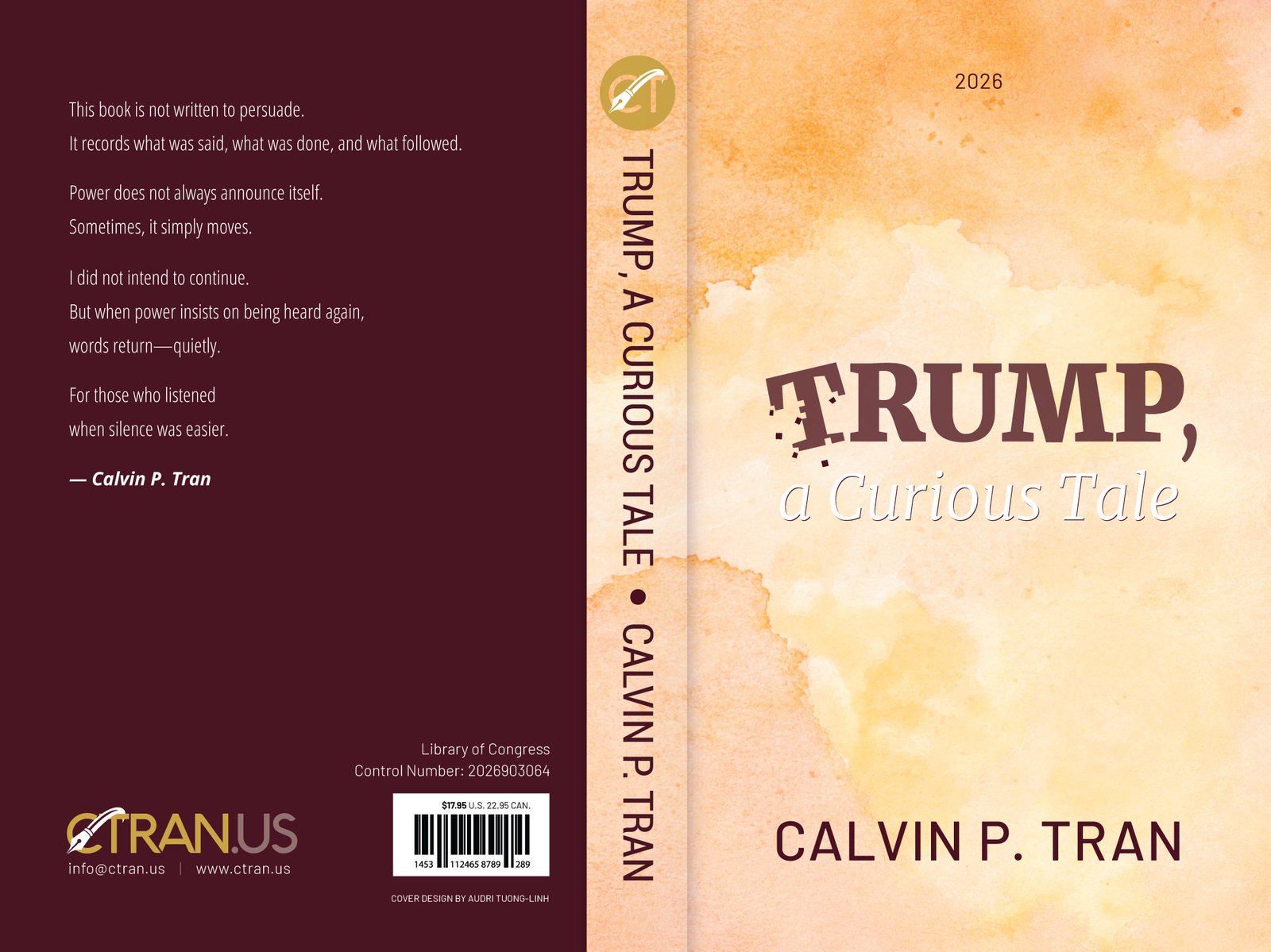
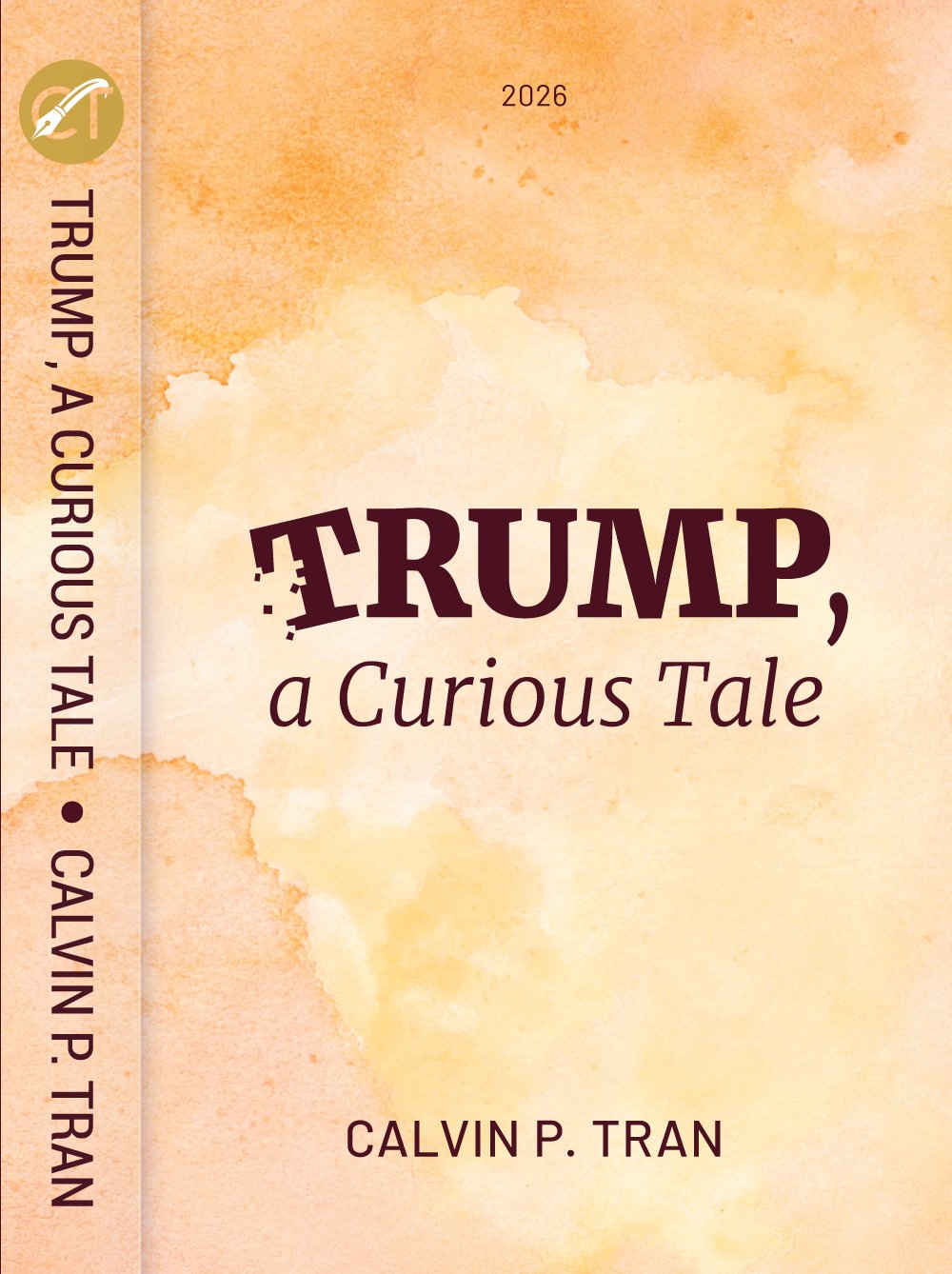
This book tells a curious tale — one that resists easy judgment.
In Trump, a Curious Tale, Trump is not presented for reverence, but for observation. What emerges is less a figure of reverence than something far more peculiar: a moment when power steps forward without disguise and politics sheds much of its inherited solemnity.
Every era has its stories of power. Not every era allows power to speak so openly about itself.
The central figure here is not a symbol or a myth. He is a man entering politics with theatrical instinct, unwavering confidence, and a belief that rules exist to be tested.
When President Donald J. Trump signed his first executive orders, the world did not collapse. No alarm sounded. History did not turn overnight. Yet within that calm, a different rhythm surfaced — one in which speed outweighed consensus, volume displaced precision, and institutions struggled to match acceleration.
This work does not argue morality. It examines how power is exercised, displayed, and legitimized through public emotion. Here, promises need not be fulfilled — only compelling enough to sustain belief. Truth need not be denied — only drowned in louder proclamations.
This tale moves through institutions attempting to hold their ground, allies adjusting, opponents waiting, and a public both skeptical and captivated.
Trump does not stand outside his era. He is both its product and its catalyst — revealing existing fractures with unusual clarity.
A reminder appears at the threshold:
“Power rarely limits itself.
It stops only when people remain lucid enough to recognize what they are giving it.”
— Trump, a Curious Tale
The cost of that offering is borne not only by the present —
but by the memory of the future.


 Read Sample
 Read Sample
 Read Sample
 Read Sample